A meaningful share of off-grid attempts don’t make it past the first six months — not because the lifestyle is inherently unworkable, but because a specific set of early-stage mistakes compound quickly during exactly the period when systems and routines are least established.
Underbuilt Water and Power Before Move-In
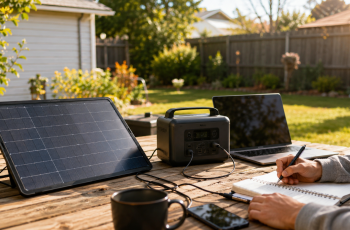
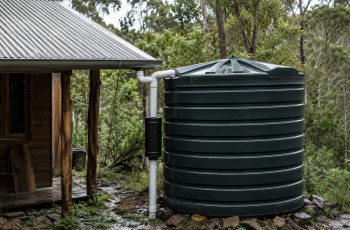
Moving onto a property before water and basic power are functional means the first weeks are spent solving emergency-level problems instead of settling into routines. A property should have at least a temporary but reliable water source and power setup working before anyone moves in full-time, not planned as an early project once already living there.
No Season-One Food Plan
A garden planted the first spring won’t produce meaningfully until summer or fall at the earliest, and most root cellar or preservation infrastructure isn’t ready in year one either. A realistic food budget for at least the first full year that doesn’t assume the property will be feeding the household from day one avoids a cash-flow crisis stacked on top of everything else that’s new and expensive.

Underestimating Winter (or the Local Equivalent)
The first difficult season — winter cold, monsoon-season mud, extreme heat, whatever the local climate’s hardest stretch is — tends to arrive before systems are fully proven, and it’s where under-provisioned firewood, undersized winter solar output, or inadequate insulation first become obvious. Planning specifically for the worst seasonal stretch, not the average conditions during a summer property visit, avoids being caught unprepared for it.
Running Out of Savings Before Systems Are Complete
Land and initial construction often consume the bulk of available savings, leaving little for the months of ongoing costs (supplemental food, fuel, tool replacement, unexpected repairs) that follow before the property becomes more self-sufficient. Budgeting for 6-12 months of post-move living costs on top of the build budget, not just the build itself, prevents a cash crunch during the exact window when the property isn’t yet self-sufficient.
Why “6-12 Months” Isn’t Overkill
The budgeting guidance above lines up with what agricultural extension programs recommend for exactly this kind of unpredictable-income situation. University of Nebraska-Lincoln Extension recommends farm and ranch families keep three to six months of living expenses in reserve — higher than the general household advice of a smaller starter fund — specifically because agricultural income is unpredictable in a way most conventional jobs aren’t. A new off-grid property, especially in year one before any homestead income has materialized, faces the same unpredictability: unplanned repairs, a slower-than-expected garden, a well that needs a second pump.
The 6-12 months this guide recommends sits above even that farm-family baseline, and that’s deliberate — a brand-new off-grid property has zero production history to smooth out a bad month, where an established farm at least has some track record to budget against. Treating the first year’s reserve as closer to the higher end of that range, not the minimum, is the more conservative and more realistic call.
Conclusion
The first six months are the highest-risk window because nothing is proven yet — water, power, food, and finances are all simultaneously new and untested. Having working water and power before move-in, a realistic first-year food budget, worst-season planning rather than average-season planning, and post-move living expenses budgeted separately from build costs are what get a transition through that window intact.