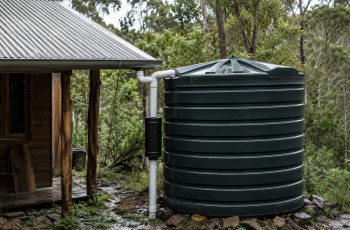
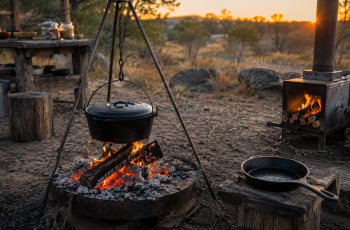
Starting an off-grid transition doesn’t require having every system figured out in advance. Five concrete first steps move the process from an abstract goal to something actionable.
1. Define the Specific Motivation
“Off-grid” covers a wide range of setups — a full off-utility homestead, a part-time cabin, or simply reducing dependence on the power grid while staying connected to municipal water. The specific motivation (cost, self-reliance, environmental impact, disaster resilience) determines which systems matter most and how much investment they justify, so clarifying it early prevents wasted effort on infrastructure that doesn’t actually serve the goal.
2. Research Before Committing to Land
Climate, water availability, soil quality, and local zoning all vary enormously by region and directly determine what’s realistic to build and grow. Time spent researching a target area — ideally including a visit in more than one season — before purchasing land prevents the single most common and expensive off-grid mistake: buying property that doesn’t support the intended use. The pre-build planning checklist covers the specific questions worth answering before making an offer on any parcel, and the free USDA Web Soil Survey is worth a look before even scheduling a site visit.
3. Build Core Skills First
Water purification, basic food preservation, fire management, and simple construction are learnable well before a move, through classes, practice on a current property, or supervised work with someone experienced — see the core survival skills guide for where to actually start. Learning these under low-stakes conditions is meaningfully safer and cheaper than learning them for the first time after a full transition, when a mistake carries higher consequences.
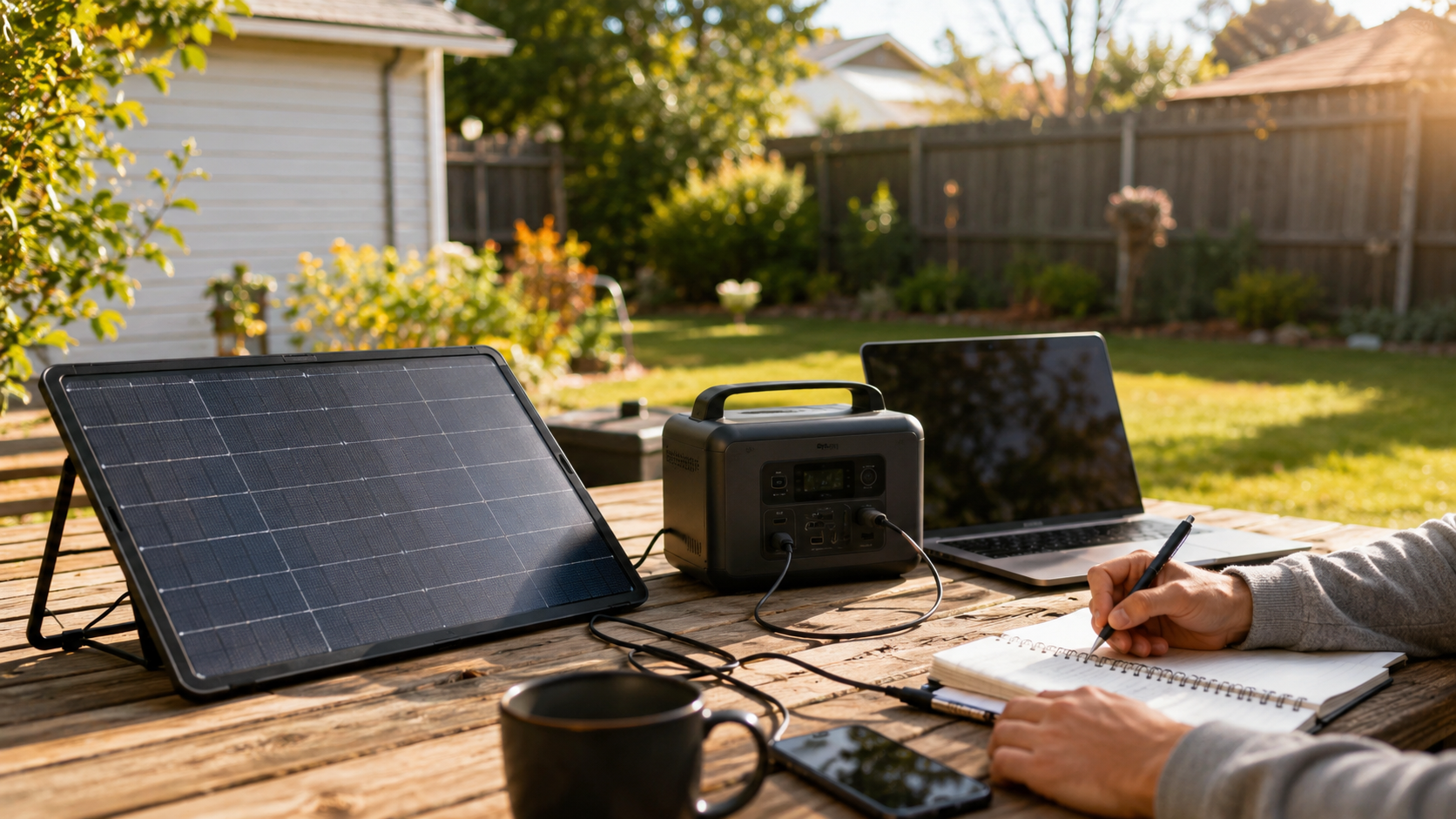
4. Start Reducing Grid Dependence Now
Small-scale changes — LED lighting, a portable solar setup, learning to cook without electricity — build familiarity with off-grid systems and reduce the eventual scale of investment needed, all without requiring land ownership first.
5. Build a Realistic Budget
Land price is only one part of the total cost — well drilling, solar or power systems, septic, and access improvements each add substantially. Pricing these out individually rather than estimating a lump sum, with a contingency of roughly 20% on top, avoids the underestimation that derails many transitions partway through.
Conclusion
These five steps — clarifying motivation, researching land, building skills, reducing dependence incrementally, and budgeting realistically — can all start before any land purchase, and doing them in this order reduces the risk of costly mistakes once the transition actually begins.