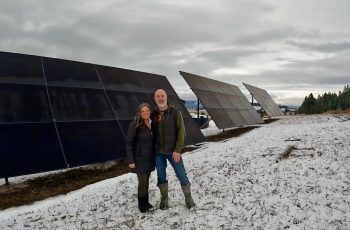
Before committing to an off-grid transition, a short self-assessment against a few concrete criteria is more useful than general motivation alone — it surfaces gaps in readiness while they’re still cheap to address.
Financial Readiness
Beyond land cost, a realistic off-grid setup (well, solar system, septic or composting toilet, basic shelter) commonly runs $30,000-80,000+ depending on region and scope. Having this itemized and funded, the same discipline covered in financing an off-grid transition — not estimated as a round number — before purchasing land is the single clearest readiness indicator, since running out of money mid-build is one of the most common reasons transitions stall or fail.
Skill Inventory
Basic carpentry, small engine repair, water system maintenance, and food preservation are the recurring skills an off-grid property demands. A honest inventory of which of these are already held versus which need to be learned — and a realistic plan for learning the gaps before or shortly after the move — is more useful than assuming everything can be figured out as needed.
Household Alignment
Off-grid living changes daily routines significantly — water hauling or monitoring, less convenient shopping, more manual labor. Where more than one person is involved, shared expectations about workload, lifestyle change, and worst-case scenarios (an extended illness, a major system failure) reduce the risk of the transition creating relationship strain that undermines it from within, which is a commonly cited but rarely planned-for failure mode.
Tolerance for Isolation
Rural and remote off-grid properties often mean real distance from medical care, social contact, and emergency services. Testing this tolerance with an extended stay (weeks, not a weekend) on similar terrain before committing fully gives a more honest read than assuming it will be fine.
What “Far From Help” Actually Means in Minutes
The isolation tolerance test above is easier to take seriously with real numbers attached. A 2025 American College of Surgeons study found rural EMS calls average 92.8 minutes total versus 74.1 minutes nationally — and for the most severe, high-acuity calls, that gap widens to 97.1 minutes versus 69 minutes. Patients needing transport to a specialty trauma center faced 155 minutes rural versus 114 minutes nationally, a 41-minute gap. Rural calls were also more likely to be high-acuity in the first place (39.3% versus 26.4% nationally), which the researchers attribute partly to the more severe injuries that tend to happen doing physical, equipment-heavy rural work.
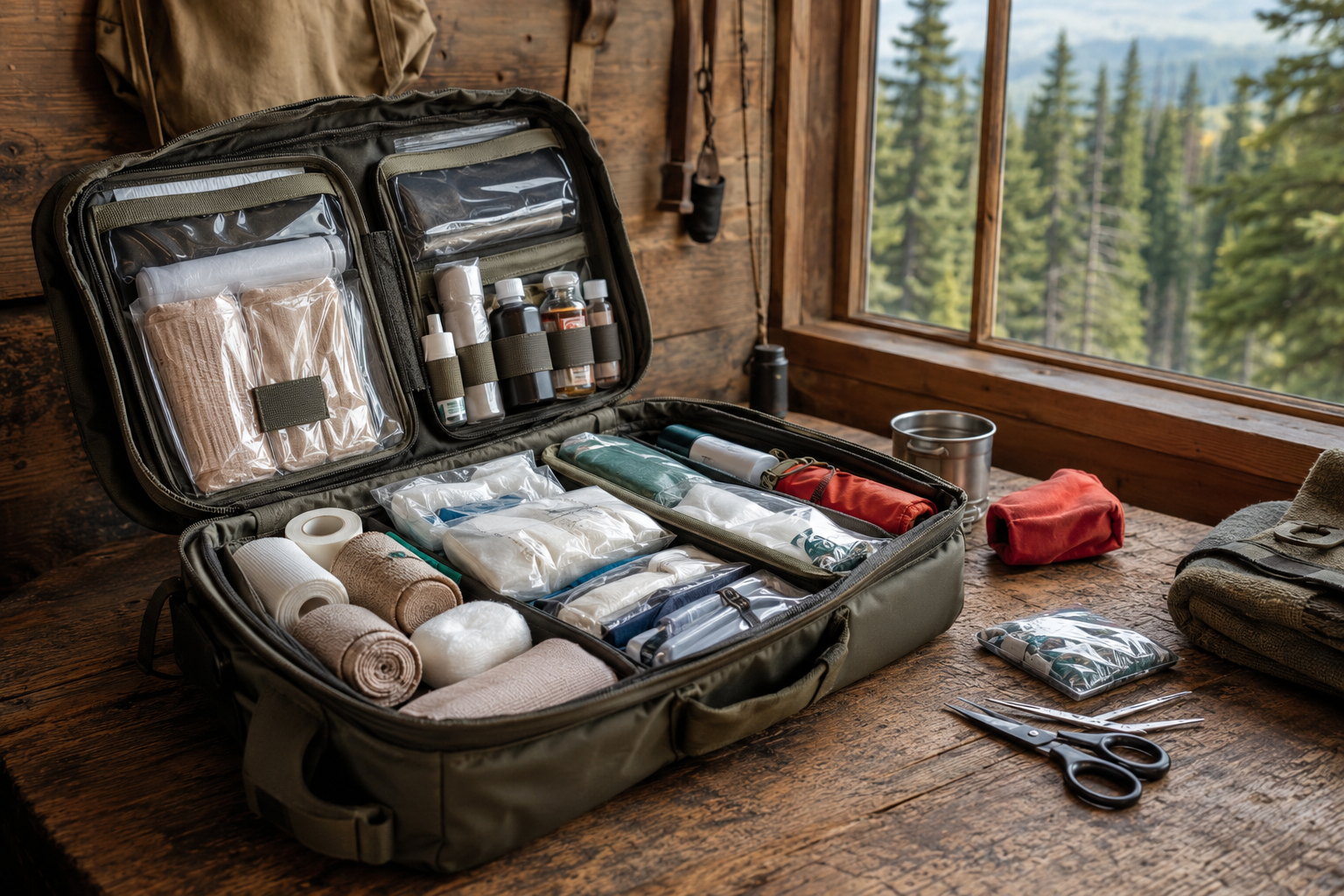
None of that is a reason to avoid off-grid living — it’s a reason to plan around it specifically: a well-stocked first-aid kit that goes well beyond a basic household version, a genuine comfort level with basic wound care and stabilization, and knowing the actual real-world response time for the specific property under consideration rather than assuming “rural but not that remote” is close enough. That last check is a five-minute phone call to the local EMS dispatch before signing on a property, not an afterthought once already moved in.
A Trial Run
Renting or borrowing land, or doing an extended off-grid-style stay on an existing property, tests the financial, skill, and lifestyle assumptions above under real conditions rather than theoretical ones — and it’s dramatically cheaper to discover a mismatch during a trial than after a full property purchase and build.
Conclusion
Readiness for off-grid living is a specific, checkable set of financial, skill, and lifestyle factors — not a feeling. Running through this assessment honestly before committing land purchase money is the cheapest insurance against a transition that stalls partway through.