The cost-reduction tactics used during a build (used equipment, phased scope, DIY) are separate from the larger question of how to structure the financial approach to going off-grid in the first place — land acquisition strategy, income during the transition, and how much capital is genuinely required upfront versus over time.
Land Acquisition Strategy
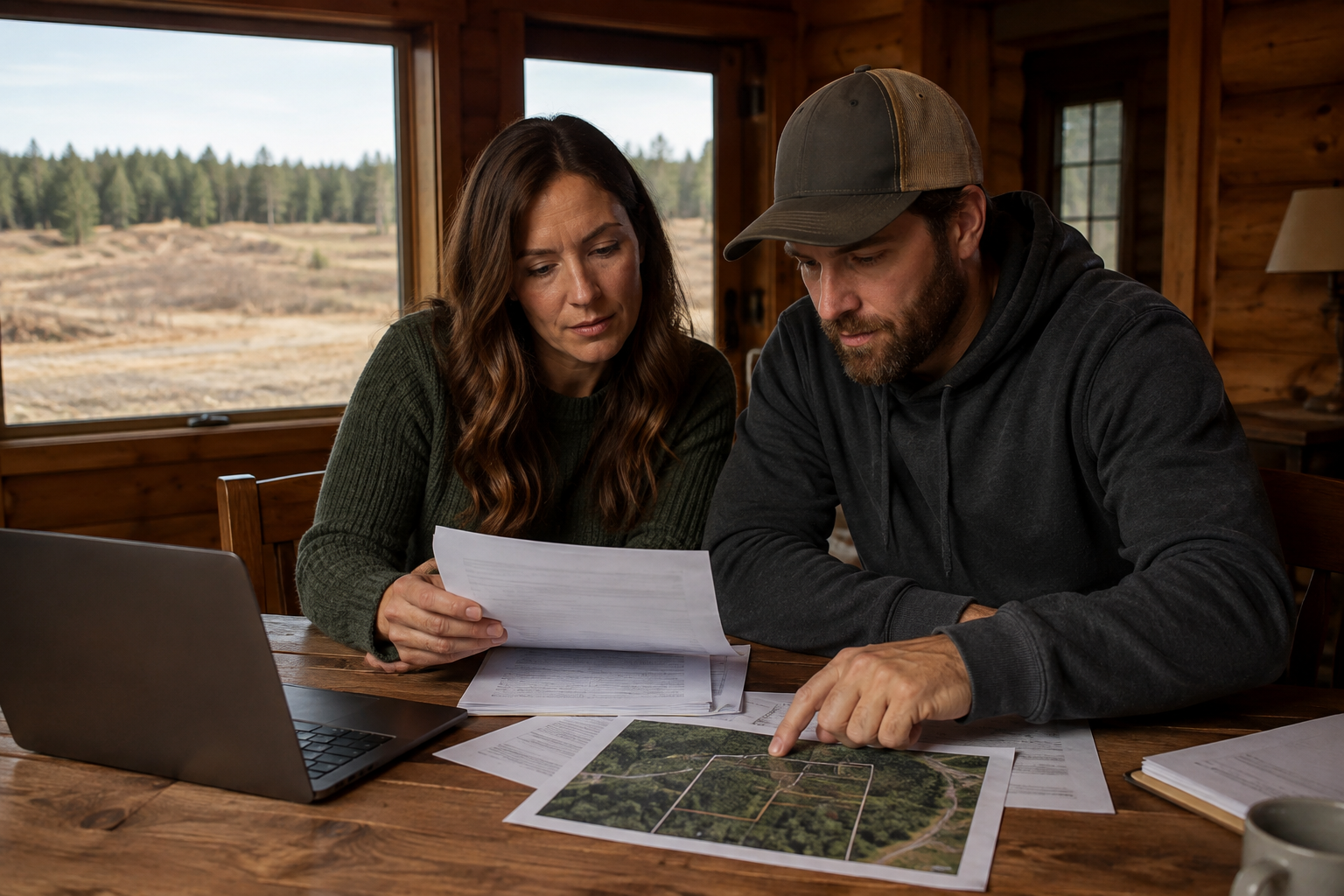
Raw, unimproved land costs meaningfully less per acre than land with existing utilities or structures, but shifts more of the total cost into infrastructure that has to be built from scratch. Owner-financed land deals (common in rural land sales, where the seller finances the purchase directly rather than requiring a bank mortgage) can lower the barrier to entry for land that wouldn’t qualify for traditional financing, at typically higher interest rates than a conventional mortgage.
Starting on Existing Property
Reducing grid dependence on a currently owned property (solar for partial load, a garden, water storage) builds experience and infrastructure incrementally without the large capital outlay of a full land purchase and move. This also serves as the trial-run step for testing genuine readiness before a bigger financial commitment.
Income During Transition
Remote work income, if available, removes the pressure to make a property immediately profitable or fully self-sufficient before it’s realistic. Where remote income isn’t an option, some transitions phase in gradually — part-time on the property while maintaining outside income — rather than a single full-commitment move, which spreads both the financial and skill-building transition over a longer, lower-risk timeline.
Homestead Income Potential
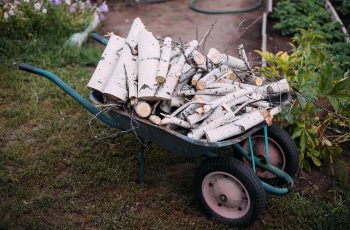
Surplus production (eggs, produce, firewood, milled and dried lumber) can offset ongoing costs once systems are established, though this typically takes one to several seasons to materialize and shouldn’t be counted on as initial-phase income. Treating it as a longer-term offset rather than a near-term funding source avoids a budget built on optimistic assumptions.
Financing Realism
Traditional mortgages are harder to secure for raw land or unconventional structures than for standard homes, which is part of why owner financing and cash purchases are more common in this space. Understanding financing constraints before falling in love with a specific property avoids discovering a deal isn’t actually fundable as planned.
A Financing Option Most People Don’t Know Exists
Owner financing isn’t the only alternative to a conventional mortgage on raw or agricultural land. The USDA Farm Service Agency offers Direct Farm Ownership Loans up to $600,000 with repayment terms up to 40 years for real estate and long-term improvements, plus a down payment program covering up to 45% of the purchase price or appraised value — specifically aimed at buyers who can’t get financing from a commercial lender, which describes a lot of raw off-grid land purchases. Funds cover purchasing land itself, constructing farm buildings, and making infrastructure improvements, not just the acreage.
The eligibility bar is real (agricultural operating experience, ability to demonstrate repayment capacity, and the property needs to support an actual farming or ranching operation, not just a residence), so this isn’t a fit for every off-grid buyer. But for anyone planning to run livestock, a market garden, or milled lumber as part of their transition plan, it’s worth checking against owner-financing terms before assuming a higher-rate private deal is the only path to a raw parcel.
Conclusion
How a transition is financed — raw versus improved land, owner financing versus cash, a phased move versus a full commitment — shapes the entire project as much as how efficiently the individual systems are built. Getting the financial structure right is a separate decision from cutting construction costs, and both matter.