Off-grid systems can be built at drastically different price points for similar function — the gap between the cheapest workable version of a system and the premium version is often 2-4x, which makes deliberate cost-reduction choices, not just budget scale, a major lever on total project cost.

Buy Used for High-Depreciation Equipment
Tractors, generators, and hand tools hold up well used and depreciate heavily in their first few years, making the used market meaningfully cheaper than new for equivalent functional life — a well-maintained used compact tractor commonly runs 40-60% of new price with years of service life remaining. Solar panels and batteries are a partial exception: battery chemistry and cycle count matter enough that used batteries carry more risk than used mechanical equipment.
Phase the Build Instead of Building Everything at Once
A minimal system sized for essential loads, expanded later as budget allows, avoids the higher cost and higher failure risk of an all-at-once maximal build. A 2-3kW starter solar system covering lighting, refrigeration, and communication costs meaningfully less than a whole-home system, and can be expanded with additional panels and batteries once cash flow allows.
DIY What’s Genuinely DIY-able
Solar panel installation, basic plumbing, and simple structures are within reach for a motivated beginner with some study and practice. Well drilling, electrical work beyond what’s covered in a basic property tool kit, and septic system installation carry higher failure consequences and often legal permitting requirements that make professional installation the more cost-effective choice once redo risk and code compliance are factored in, not just the labor line item.
Reduce Load Before Buying Generation Capacity
Every watt of reduced consumption (LED lighting, efficient appliances, reduced phantom loads) directly reduces the size, and therefore cost, of the solar and battery system needed to support it. Efficiency upgrades typically cost far less per watt saved than the equivalent generation capacity to supply that watt, making consumption reduction the highest-return early investment in most power system budgets.
Use Regionally Appropriate Materials
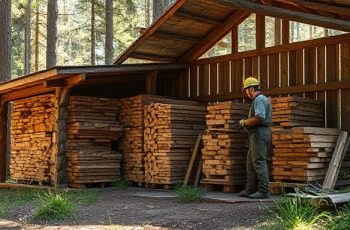
Locally sourced or salvaged building materials (standing timber milled on-site with an off-grid sawmill, reclaimed lumber, local stone) cost less than shipped materials and reduce transportation costs that scale with remoteness. This depends heavily on regional availability and the tools (like a sawmill) needed to process raw materials, so it’s a bigger lever in some locations than others.
The Real Depreciation Curve on a Used Tractor
The “40-60% of new price” range above is a fair rule of thumb, and Mississippi State University Extension’s standard cost tables put real numbers behind it: a tractor in the 80-149 hp range retains roughly 37% of its new list price at 10 years old, using the ASABE salvage-value standard most ag economists rely on. Run through their worked example — a $120,000 tractor purchased at $115,000, straight-lined against that salvage value over a 10-year useful life — and annual depreciation comes out to about $7,060. That’s the number a seller of a several-year-old tractor is implicitly pricing against, and it’s a useful gut check against an asking price that seems too high (or, less often, suspiciously low) for the tractor’s age.
Harvesting equipment depreciates faster than tractors under the same tables (roughly 28% retained at 10 years versus a tractor’s 37%), which matters if the used-equipment budget is being split across multiple machine types rather than just one.
Conclusion
Cost reduction in off-grid building comes mostly from deliberate choices — used equipment, phased scope, selective DIY, load reduction before generation capacity, and local materials — rather than simply spending less across the board, which usually just defers cost or risk rather than eliminating it.