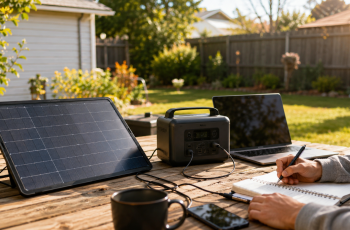
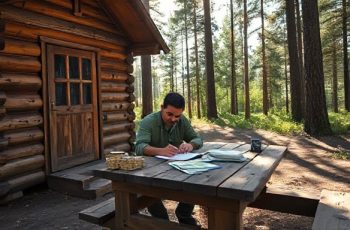
Before any construction starts on a new off-grid property, a set of planning decisions determines whether the eventual build goes smoothly or runs into expensive surprises. This is the pre-build checklist — what to evaluate and decide before breaking ground, as distinct from the actual construction sequence once building begins.
Confirm Water Availability Before Anything Else
A property’s water situation should be understood in detail before committing to a building site: is there an existing well, and if not, what does test drilling in the area suggest about depth and yield? What’s the realistic rainwater catchment potential given roof area and regional rainfall? Are there legal restrictions on water rights or usage that affect the property? These are research questions, not construction tasks — see the full catalog of water collection methods for what’s actually viable given a property’s specific climate and terrain — answering them wrong at the planning stage is far more costly to fix once a structure is already built nearby.
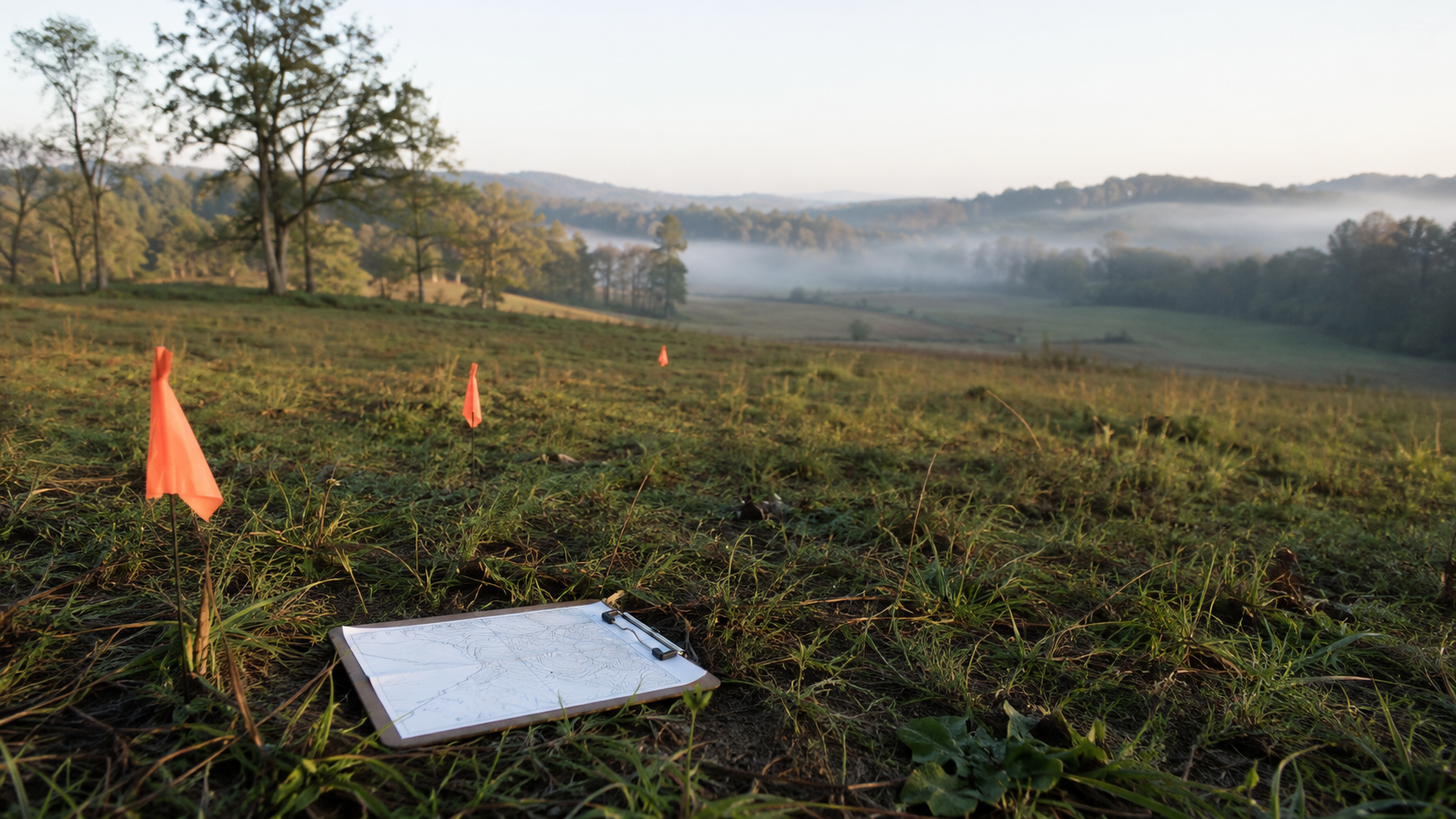
Evaluate the Building Site Itself
Soil type affects both foundation options and septic feasibility (a perc test is standard due diligence here). The EPA’s own septic system guidance is a useful independent reference for what a perc test is actually checking (soil drainage rate) and what disqualifies a site outright (bedrock or a high water table too close to the surface) before paying for a full site evaluation. Sun exposure across seasons — not just at the time of a single site visit — determines solar system viability and passive heating/cooling potential. Drainage patterns, visible on a topographic map or after observing the site during rain, indicate flood risk that isn’t always obvious in dry conditions.
Confirm What’s Legally Permitted
Zoning and building codes vary significantly by county and can restrict structure size, mandate connection to municipal utilities even on rural land, or require specific permitting for alternative systems like composting toilets or off-grid solar. Confirming these requirements with the local building department before finalizing any building plan avoids designing something that isn’t legally permittable as-is.
Decide the System Priority Order
Water, temporary shelter, and basic power are the systems that typically need to function before permanent construction can proceed comfortably — but the specific order and scope depends on the property. A site with an existing well needs less upfront water infrastructure than one requiring a new well or catchment system from scratch; a site with good year-round road access needs less initial shelter investment than one requiring a base camp during a difficult access season.
Budget With a Contingency
Land cost is rarely the full cost of an off-grid property — well drilling, septic, solar, access improvements, and equipment like a properly sized tractor each add substantially on top. Pricing out each system individually, rather than budgeting a lump estimate, surfaces gaps before they become mid-project shortfalls; a 20% contingency on top of itemized estimates is standard practice in construction budgeting generally.
Conclusion
The planning decisions made before construction — water source confirmation, site evaluation, permitting, system sequencing, and realistic budgeting — determine how smoothly the actual build goes. Getting these right first is what separates a property that develops predictably from one that runs into costly mid-project discoveries.